
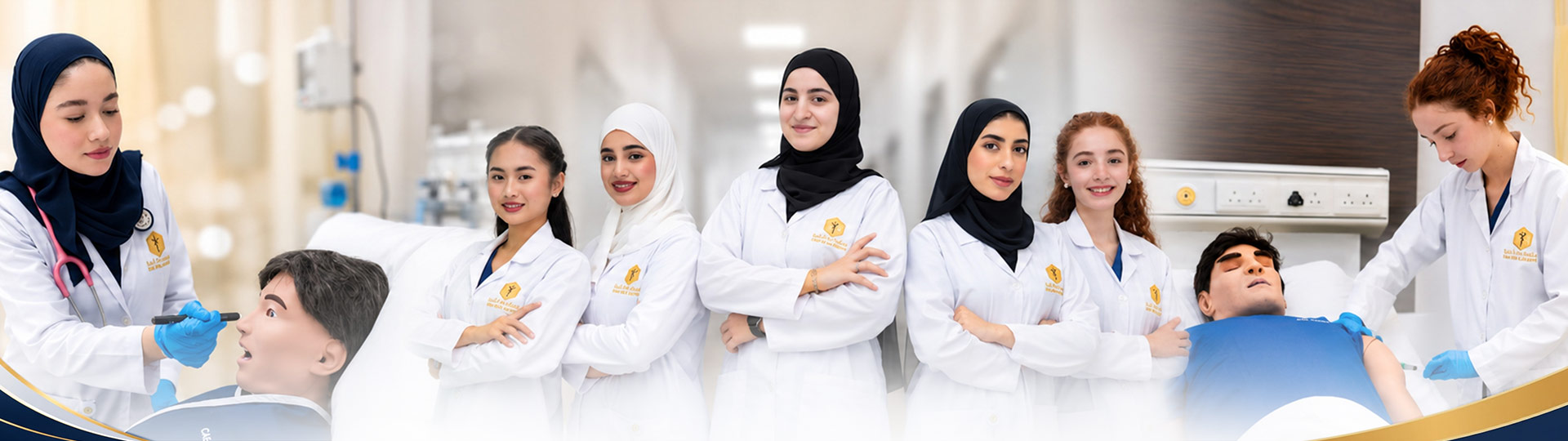
What is Simulation?
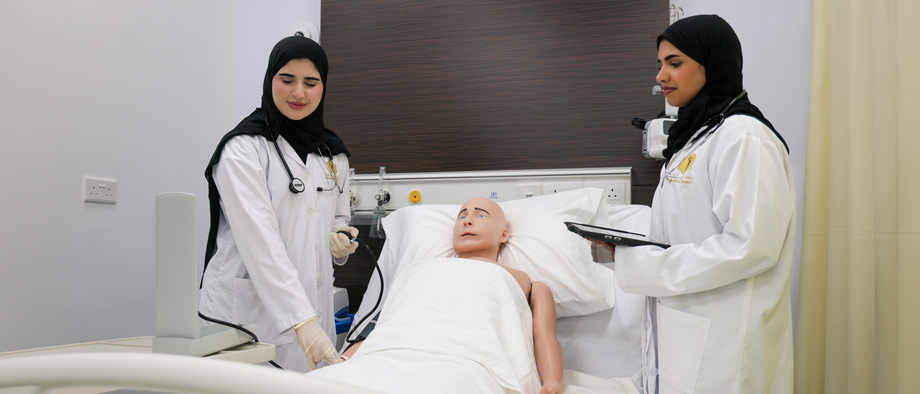
Simulation in nursing education is a teaching and learning strategy that recreates real-life clinical situations in a safe and controlled environment. It allows students to apply theoretical knowledge, practice clinical skills, make decisions, and manage patient care without risk to actual patients. Through simulation-based learning, students gain valuable experience in assessment, communication, teamwork, and clinical judgment before entering healthcare settings.
Simulation activities range from basic skills practice using task trainers to complex, patient care scenarios involving high-fidelity patient simulators that replicate realistic physiological responses.
Why Simulation?
Simulation bridges the gap between classroom learning and real clinical practice. It enables students to apply theoretical knowledge in realistic healthcare situations while receiving immediate feedback and guidance.
Through simulation, students can:
- Experience complex patient scenarios
- Practice emergency responses
- Strengthen clinical decision-making
- Improve patient safety awareness
- Develop professional confidence
- Enhance collaboration within healthcare teams