

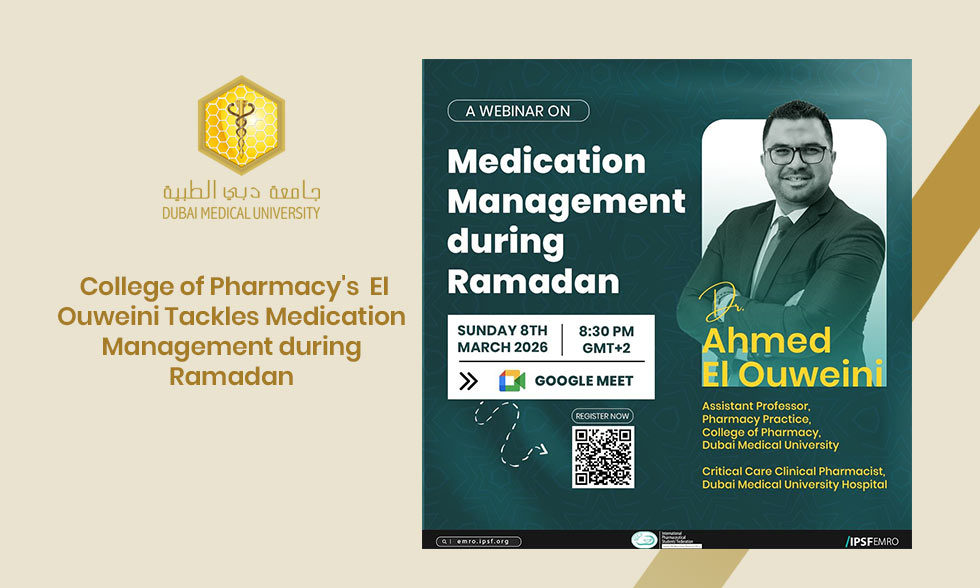
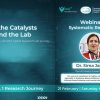
DUBAI (March 10, 2026) – Dr. Ahmed El Ouweini, Assistant Professor of Pharmacy Practice, at Dubai Medical University, recently delivered a regional webinar to senior pharmacy students and fresh graduates across the Eastern Mediterranean Region (EMRO) of the International Pharmaceutical Students’ Federation (IPSF)
Entitled “Medication Management During Ramadan,” the webinar addressed the complex clinical considerations involved in optimizing pharmacotherapy for patients who fast given the significant physiological, dietary, sleep, and hydration changes that occur during Ramadan. In addition, the webinar focused on medication regimens for chronic diseases that require careful adjustment to maintain therapeutic efficacy while minimizing preventable complications.
Dr. El Ouweini, who is also the Critical Care Clinical Pharmacist at Dubai Medical University Hospital, provided an evidence-based framework grounded in international guidelines, including IDF-DAR and ADA recommendations, for risk stratification and individualized care planning.
The session covered comprehensive strategies for managing:
The webinar also incorporated case-based clinical scenarios involving complex patients with heart failure, chronic kidney disease, and polypharmacy, allowing participants to apply medication management principles to real-world practice.
“Ramadan pharmacotherapy requires more than shifting medication timing,” Dr. El Ouweini emphasized during the session. “It demands structured risk assessment, individualized therapeutic planning, close monitoring, and proactive patient education to ensure safety without compromising clinical outcomes.”
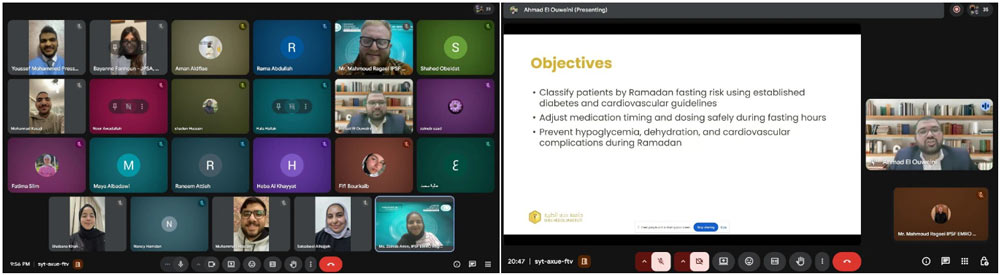
The interactive session was met with strong engagement from participants across the EMRO region, highlighting the growing interest among emerging pharmacists in culturally competent, patient-centered care.
© DMU - Dubai, United Arab Emirates